Skip to the content

The Ultimate Singapore Moving House Checklist [2024 Update]
By: Eugene Teh

26 Aug 2024 15 min read
You’re relocating to or moving house in Singapore, and the thought of packing up all your stuff is daunting. Take a deep breath — this comprehensive moving house checklist for Singapore will be your guide.
As a secure self-storage provider in the region that also offers house moving services, we understand the whole moving process and have put together a streamlined 5-step checklist to eliminate stress. From decluttering strategies to expert packing tips, you’ll gain valuable insights to make your transition seamless. Embrace this transformative journey with confidence because we’ve got your back every step of the way.
Step 1: Creating a Moving File
Moving house involves juggling a multitude of tasks and details. To stay organised and minimise stress, create a dedicated moving file or binder to keep all your important documents and information in one place. This centralised hub will become your go-to resource throughout the moving and packing process.
What to Include
Your moving file should contain the following:
- A checklist of tasks to complete before, during, and after the move
- Copies of moving quotes or estimates from different companies
- Inventory lists of items in each room for easy reference
- Contact information for utilities, services, and the moving company
- Records of payments made and receipts
- Floor plans or layouts of your new home to plan furniture placement
Benefits of a Moving File
Having a comprehensive moving file offers several advantages, including the following:
- Keeps you organised and prevents important details from slipping through the cracks
- Serves as a reference point for questions or issues that may arise
- Helps you stay on schedule and meet deadlines
- Provides a sense of control during a chaotic and stressful time
- Allows easy access to critical information when needed
Updating and Maintaining
As you progress through the moving process, regularly update your file with new information, notes, and records. Cross off completed tasks and add new ones as they arise. This living document will evolve alongside your move, ensuring you have all the necessary details at your fingertips.
Creating and diligently maintaining a comprehensive moving file may seem like a small task, but it can make a world of difference in streamlining your move. By keeping everything organised and accessible, you’ll minimise stress and increase your chances of a smooth, successful transition to your new home. The next important thing to do after creating a moving file is to get rid of items you don’t need in your new home.
Step 2: Decluttering and Donating Unneeded Items
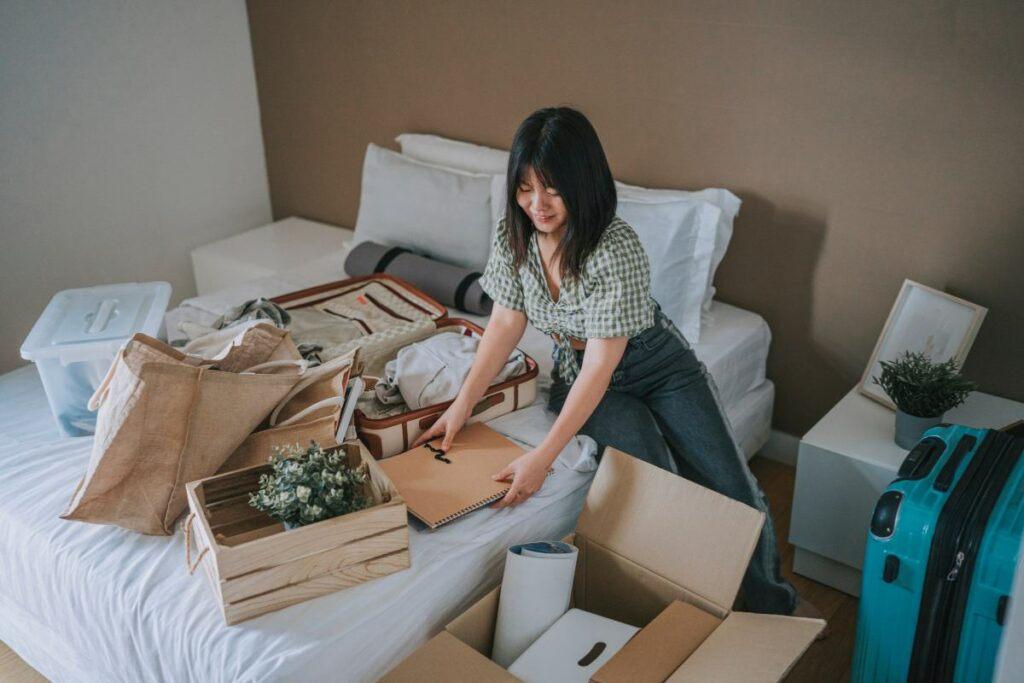
If you’re moving home in Singapore, this is the perfect time to declutter and get rid of any items you no longer need or use. Be ruthless; if you haven’t used something in over a year, chances are you won’t use it again. Purging unnecessary belongings will lighten your load and make the move easier.
Here’s how to successfully declutter:
Separate Items to Keep, Donate or Discard
Go through each room methodically. Make piles for items to keep, donate, and discard. Don’t get sentimental — if it doesn’t serve a purpose, get rid of it.
Clothes you haven’t worn in years, old electronics, duplicates, and anything broken should go. Remember to wrap any fragile item in bubble wrap to ensure its safety.
Donate Usable Items
Many charitable organisations welcome donated items that are still in good, usable condition. Clothes, furniture, books, toys, and household goods can often find a second life. Not only does donating reduce waste, but it benefits those in need.
Dispose of the Rest Responsibly
Research items that can’t be donated and how to properly dispose of or recycle them in Singapore. Many e-waste recycling programs exist for electronics, and hazardous materials require special handling. Don’t simply throw everything in the trash; use a waste disposal service.
Consider a Storage Unit
If you’re having trouble parting with sentimental items or want to declutter gradually, a self-storage unit can provide a temporary solution. This buys you time to sort through belongings at your own pace after the move. You can always check out our self-storage units in different locations across Singapore. You also want to ensure a smooth transition to your new house by hiring professional movers and making other logistical preparations before the move-in date.
Step 3: Arranging Moving Logistics
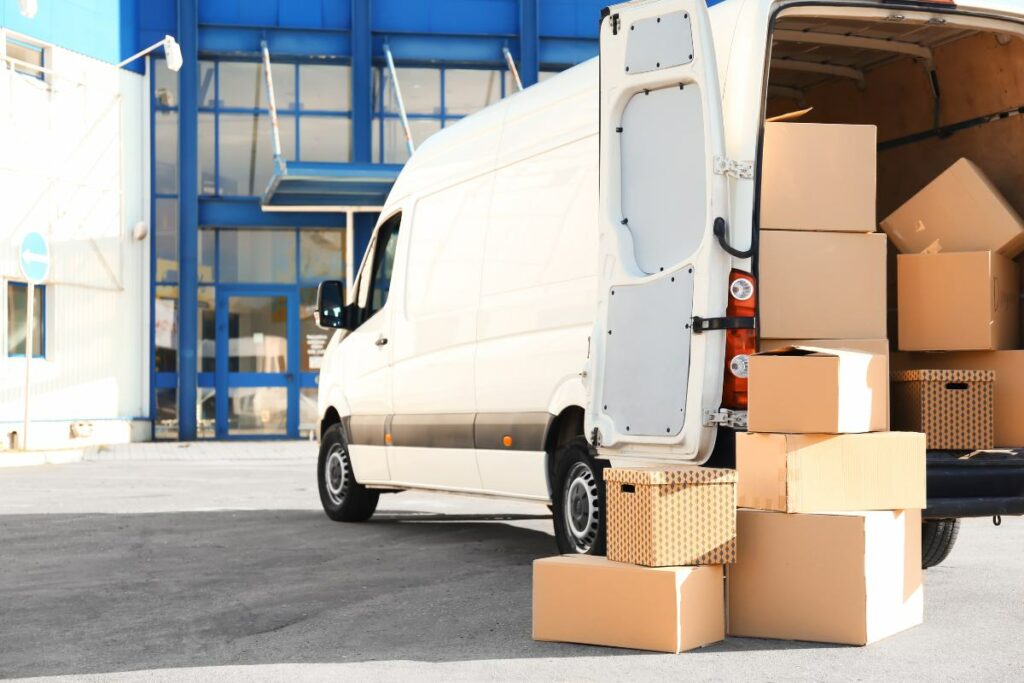
Hiring professional moving services can save you a significant amount of time, effort, and stress when moving out in Singapore. A professional moving company has the expertise and equipment to handle your belongings safely and efficiently. Before booking, research reputable moving companies in Singapore and compare quotes to find the best deal.
Consider the following four steps to ensure effective logistics planning:
Schedule Packing and Loading
Once you’ve hired house movers, prepare your moving boxes and coordinate the packing and loading schedule with them. Decide whether you’ll handle the packing yourself or if you’d like the movers to do it for you. If you’re packing yourself, get the necessary packing materials ready, start well in advance, and label all the boxes clearly.
Plan for Utilities
Contact your utility providers (electricity, water, gas, internet, cable/satellite TV) and arrange for service disconnection at your current address and reconnection at your new home. Some providers may require advance notice, so plan accordingly.
Secure Your New Home
Ensure your new home is ready for move-in day. If you’re renting, collect the keys from the landlord or agent. If you’ve purchased a property, coordinate with the previous owners or real estate agent for a smooth handover.
Arrange Childcare and Pet Care
If you have children or pets, make arrangements for their care during the moving process. This will allow you to focus on the packing and unpacking process without added stress or distractions.
Once these essentials are off your list, it’s time to update your address to reflect your new location.
Step 4: Updating Your Address
Changing your residential address is a crucial step when moving home in Singapore. You’ll want to ensure that important correspondence, bills, and deliveries are sent to your new location without any hiccups.
Here are some key points to consider for different address-requiring organisations:
Government and Official Entities
- If you have a valid immigration pass or permanent residency status, update your address with the Immigration & Checkpoints Authority (ICA).
- Notify the Housing & Development Board (HDB) or your respective property management if you’re a public housing resident.
- Change your address with the Central Provident Fund (CPF) Board to ensure your statements and notifications are sent to the right place.
- If you have a vehicle, update your new address with the Land Transport Authority (LTA) for your driving license and vehicle registration.
Financial Institutions and Service Providers
- Contact your bank(s) and update your new residential address for statements, cards, and correspondence.
- Inform your insurance providers, including home, health, and life insurance companies, of your address change.
- Update your new address with utility companies like Singapore Power, City Gas, and water suppliers to ensure a smooth service transition.
- Notify telecommunication and internet service providers of your move to avoid disruptions or billing issues.
Other Important Updates
- Change your address with the Inland Revenue Authority of Singapore (IRAS) for tax-related matters.
- Update your mailing address with any subscription services, e-commerce platforms, or loyalty programs you are a part of.
- Inform your employer and update your address in their records for payroll and HR purposes.
- If you have school-going children, notify their educational institutions about the address change.
Updating your address across various entities may seem like a tedious task, but it’s crucial to ensure a smooth transition and avoid any complications or missed deliveries during your move. Stay organised, create a checklist, and notify relevant parties well in advance to make the process as seamless as possible. Let’s now wrap up with a final walkthrough of what to do on the day you’re moving house in Singapore.

Step 5: Final Walkthrough on Moving Day
Before the movers arrive, run one last set of checks on your home and belongings. Ensure all boxes are properly labelled and sealed. Double-check that you haven’t left anything behind in closets, cabinets, or other nooks and crannies.
Confirm that utilities like electricity, water, and gas have been disconnected or transferred to the new homeowners. Take metre readings and photos for your records.
Consider following these steps to ensure you don’t miss anything:
Prepare for the Movers
Clear pathways and remove obstacles to make it easier for the movers to navigate through your home. Secure pets in a separate room or arrange for someone to look after them during the move. Have cash on hand to tip the movers; it’s customary to tip a little extra for a job well done.
Oversee the Loading Process
As the movers load your belongings onto the truck, keep an eye on the process. Point out valuable or fragile items that require special handling. Don’t hesitate to speak up if you notice any careless behaviour or mishandling of your personal belongings.
Take photos or videos of the truck being loaded for documentation purposes. This can be helpful in case of any damage or lost items.
Do a Final Sweep
Once the truck is fully loaded, do a final walkthrough of your old home. Check every room, closet, and storage area for any overlooked items. Inspect the property for any damage that may have occurred during the move. Turn off lights, lock all doors and windows, and return the keys to the appropriate party (landlord, realtor, or new homeowners).
Secure Your New Home
Upon arriving at your new home, ensure the property is ready for move-in. Check that utilities are connected and functioning correctly. Direct the movers to the appropriate rooms and provide any specific instructions for placing furniture or appliances. Just as you did during loading, keep an eye on the unloading process.
Unpack Essentials First
Once the movers are done, prioritise unpacking essential items first. This includes bedding, toiletries, kitchenware, and any other necessities you’ll need for the first few days. Set up your bed and make it a priority to get a good night’s sleep after a long moving day. You can continue with the unpacking and home organising process in the following days.
Remember, we have a secure storage solution for you at Storefriendly if you ever need extra space for seasonal items.
Frequently Asked Questions
How Much Does It Cost to Move Houses in Singapore?
Moving houses in Singapore typically starts at around $350, but costs can vary based on several factors. These include the size of your home, the distance of the move, and additional services such as packing and unpacking. Hiring professional movers might also involve extra fees for handling bulky items or providing special equipment. Always get multiple quotes to find the best deal for your needs.
How to Move House in Singapore?
Moving house in Singapore involves the following key steps for a smooth transition:
- Start by measuring your new space to ensure your furniture fits.
- Sort and declutter your belongings, deciding what to move.
- Contact multiple movers to compare quotes and services.
- Begin packing with the necessary materials and labelling boxes clearly.
- Prepare a moving day pack with essentials like toiletries and snacks.
- Finally, settle your old home’s affairs and clean your new home before moving in.
How Many Boxes Do I Need to Move to Singapore?
To move to Singapore, the number of boxes you need depends on the size of your home and the carton sizes you choose. For a 1–2 room home, you might need around 10 medium, 5 large, 5 X-large, and 2 XX-large boxes. For a 6–7 room home, you might need 20 medium, 20 large, 15 extra-large, and 10 XX-large boxes. Adjust based on your specific needs and belongings.
Will Movers Disassemble Furniture in Singapore?
Yes, movers in Singapore often offer disassembly and reassembly services for larger furniture items. This service is usually part of a comprehensive moving package that includes packing and unpacking, making the entire moving process smoother and less stressful for you.
With professional movers handling the disassembly, transport, and reassembly of your furniture, you can rest assured that your belongings will be safely and efficiently relocated to your new home. Be sure to check with your chosen moving company to confirm that these services are included in your package.
Conclusion
You’ve got the knowledge to ace your move with this comprehensive Singapore moving house checklist. Follow these steps, and you’ll be settled into your new home with ease. Take the stress out of relocating by starting preparations early and staying organised throughout the process. With diligent planning, you’ll make this life transition smooth and hassle-free.
Remember, you can always store any seasonal items that may clutter your home at one of our self-storage facilities. Get a quote today to get started!
Stories



Guide



Articles



Current News



Recommended Reads

Meet the Women in Storage this International Woman’s Day

Self Storage for the Musician